Aerobus: A Balanced Evaluation of Its Design Strengths and Practical Applications
In the crowded landscape of display typography, finding a font that balances structural elegance with distinct character is often a challenge. Aerobus emerges as a compelling option for designers seeking a typeface that bridges the gap between modern sophistication and retro-inspired personality. Unlike generic sans-serifs that prioritize neutrality, Aerobus offers a specific aesthetic language defined by its tapered terminals, soft corners, and spurred edges. For professionals aged 20 to 50 who are evaluating branding assets or designing marketing materials, understanding where this font fits within a broader design strategy is essential. This evaluation explores the unique characteristics of Aerobus, compares it against alternative typographic approaches, and outlines the scenarios where it delivers the most value.
Defining the Distinctive Character of Aerobus
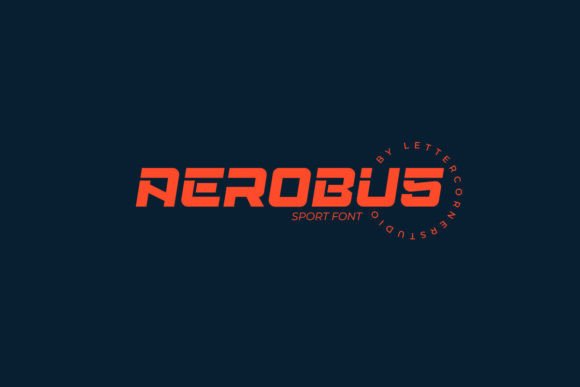
The primary appeal of Aerobus lies in its nuanced construction. At first glance, it presents itself as a clean, readable display font suitable for headlines and large-format applications. However, a closer inspection reveals the deliberate details that separate it from standard geometric or humanist sans-serifs. The defining feature of the typeface is its combination of opposing elements: the softness of rounded corners and the sharpness of spurred edges.
Tapered terminals are a hallmark of the Aerobus design. These are the ends of the letter strokes that narrow gradually rather than terminating abruptly. This tapering creates a sense of forward motion and fluidity, suggesting speed and precision without sacrificing legibility. When paired with soft corners, which round off the intersections of letterforms, the font achieves an approachable warmth. This duality allows the typeface to feel both elegant and accessible, avoiding the cold sterility often associated with industrial design fonts.
Conversely, the inclusion of spurred edges introduces a layer of complexity and personality. These small, decorative projections on certain characters prevent the font from appearing too smooth or uniform. They add a touch of whimsy and historical reference, hinting at mid-century modernism or vintage transportation signage. This specific blend of features ensures that Aerobus stands out in a visual hierarchy, making it an effective choice for grabbing attention in cluttered environments like posters, billboards, or digital banners.
Comparative Analysis: Aerobus vs. Standard Display Fonts
When selecting a typeface, it is crucial to understand how a specific option compares to the broader category of display fonts. Most display typefaces fall into two camps: those that prioritize maximum readability through simplicity, and those that rely heavily on ornamentation to create mood. Aerobus occupies a strategic middle ground that serves specific design needs better than either extreme.
Compared to ultra-minimalist geometric sans-serifs, Aerobus offers significantly more character. While minimalist fonts excel in corporate environments requiring absolute neutrality, they can sometimes feel impersonal for brands aiming to build an emotional connection. Aerobus retains the clean structure necessary for clarity but injects personality through its unique stroke endings and edge treatments. This makes it a superior choice for lifestyle brands, creative agencies, or product lines that want to appear professional yet distinctive.
On the other end of the spectrum, highly ornamental display fonts can struggle with versatility. They often look impressive in large sizes but become illegible when scaled down or used in dense text blocks. Aerobus avoids this pitfall. Its spurred edges and tapered terminals are designed to remain visible and effective even at moderate sizes, though it is still primarily intended for display use. When compared to heavy, blocky slab serifs or overly stylized scripts, Aerobus provides a cleaner, more contemporary aesthetic that aligns better with modern web and print standards.
- Readability: Higher than ornate scripts; comparable to humanist sans-serifs.
- Personality: More distinct than geometric minimalists; more restrained than decorative scripts.
- Versatility: Excellent for logos and headers; less suitable for long-form body text.
- Visual Weight: Balanced presence that commands attention without overwhelming the layout.
Evaluating Strengths and Tradeoffs
Every design tool comes with inherent strengths and limitations. To make an informed decision about using Aerobus, one must weigh its advantages against potential constraints based on the project requirements.
Key Strengths
The most significant strength of Aerobus is its ability to convey elegance and class while maintaining a playful edge. This makes it particularly effective for brands that wish to project a premium image without appearing stuffy or inaccessible. The tapered terminals guide the eye smoothly across the word, enhancing readability in short bursts, which is ideal for headlines and slogans. Furthermore, the spurred edges provide a unique visual hook that aids in brand recognition. In a market saturated with similar-looking logos, these subtle details can be the differentiator that makes a brand memorable.
Another advantage is its adaptability across various media. Whether applied to a sleek packaging label, a vibrant poster, or a digital interface header, Aerobus maintains its integrity. The contrast between the soft corners and sharp edges translates well to both screen and print, ensuring consistent brand representation.
Potential Tradeoffs
Despite its strengths, Aerobus is not a universal solution. Its primary limitation is its classification as a display font. It is not optimized for extended reading. Using Aerobus for paragraphs of body text would likely result in reader fatigue due to the varying stroke widths and decorative elements. Designers should reserve this typeface for titles, captions, and key messaging only.
Additionally, the distinctive style may not suit every industry. For sectors requiring strict adherence to traditional conservatism, such as legal services or banking, the spurred edges might be perceived as too informal or distracting. In these contexts, a more neutral typeface would likely serve the brand's credibility better. The decision to use Aerobus should always consider the target audience's expectations and the brand's core values.
Ideal Use Cases and Strategic Application
Understanding the optimal environment for Aerobus helps maximize its impact. Based on its structural properties, the font excels in scenarios where visual interest and brand identity are paramount.
Logos and Branding represent the most natural fit for this typeface. The unique combination of soft and hard edges allows for logo designs that are both scalable and distinctive. A logo utilizing Aerobus can communicate a narrative of movement and refinement, making it suitable for automotive brands, travel agencies, fashion labels, or tech startups looking for a human-centric vibe.
Posters and Event Marketing also benefit from the font's bold character. The high contrast and clear forms ensure that event titles or promotional messages pop against busy backgrounds. The "personality" added by the spurred edges can help set the tone for an event, whether it is a sophisticated gala or a modern art exhibition.
Packaging Design is another strong contender. On product packaging, space is limited, and every element must work hard to attract the consumer. Aerobus can elevate a product's perceived value, suggesting quality and attention to detail. It works particularly well for artisanal goods, beverages, or lifestyle products where the story of the brand is as important as the product itself.
Decision Factors: When to Choose Alternatives
While Aerobus is a powerful tool, there are situations where exploring alternatives is the prudent choice. If a project requires extensive body text, a serif or a simple sans-serif family with multiple weights would be more appropriate. Similarly, if the brand identity relies on a stark, futuristic, or purely industrial aesthetic, the soft corners of Aerobus might dilute the desired effect.
Designers should also consider the existing ecosystem of the brand. If a company already utilizes a very complex logo or intricate iconography, adding a font with spurred edges might create visual noise. In such cases, a plainer typeface could provide the necessary balance. The goal is always harmony; Aerobus should enhance the overall composition, not compete with other visual elements.
Ultimately, the decision to integrate Aerobus into a design system should be driven by the specific message being conveyed. If the objective is to blend elegance with a touch of spirited individuality, this font offers a robust solution. By carefully evaluating the project's scope, audience expectations, and visual goals, designers can determine if Aerobus is the right fit or if another typographic direction warrants exploration. This balanced approach ensures that the chosen typeface supports the broader strategic objectives of the brand.