Integrating Mangroovy: A Practical Guide to Retro Typography in Modern Workflows
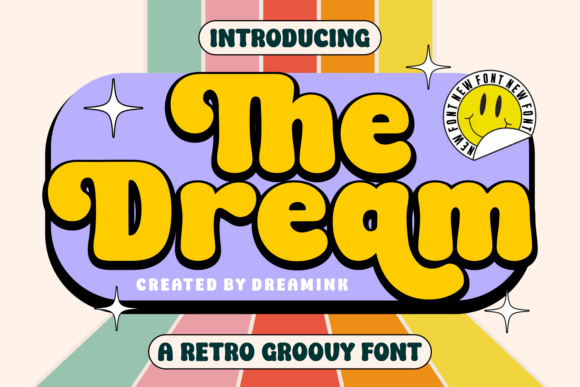
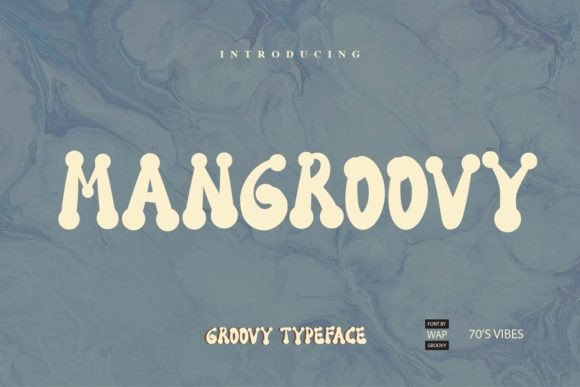
In the landscape of digital design, typography serves as more than just a vessel for text; it is a primary driver of brand identity and emotional resonance. For professionals navigating the intersection of nostalgia and modern marketing, Mangroovy has emerged as a critical asset. This typeface captures the essence of the 1970s aesthetic—characterized by bold curves, organic shapes, and a distinct "groovy" vibe—while maintaining the legibility required for contemporary applications. Understanding how to integrate this font into your existing creative processes can significantly enhance the visual impact of logos, apparel, posters, and digital assets.
Understanding the Strategic Value of Retro Aesthetics
Before implementing any new typographic element, it is essential to understand its strategic fit within a broader project. The resurgence of vintage design is not merely a trend but a response to consumer fatigue with sterile, minimalist corporate aesthetics. Mangroovy Retro Vintage Groovy offers a solution for brands seeking to convey warmth, authenticity, and approachability. When planning a rebrand or launching a new product line, consider whether the target audience responds positively to nostalgic cues. If the goal is to evoke feelings of comfort, fun, or artistic freedom, this font aligns perfectly with those objectives.
However, successful implementation requires more than simply selecting a font file. It demands a clear understanding of where the typeface fits in the hierarchy of your design system. Unlike sans-serif fonts used for body copy, Mangroovy is a display typeface. Its primary function is to capture attention and set the tone. Therefore, it should be reserved for headlines, logos, and short-form messaging rather than extended reading material. Recognizing this limitation early in the planning phase prevents usability issues later in the production cycle.
Pre-Production Planning and Asset Preparation
Effective workflow integration begins before you open your design software. Start by auditing your current brand assets. Identify areas where the existing typography feels disconnected from the desired emotional outcome. If you are working on a clothing line, for example, analyze competitor designs to determine how much visual weight your typography needs to carry. Mangroovy’s thick strokes and unique letterforms require ample white space to breathe. Planning your layout dimensions accordingly ensures that the final output remains balanced and professional.
Compatibility is another crucial factor during the preparation stage. Ensure that your design tools support OpenType features if you plan to utilize specific ligatures or alternate characters included in the font package. Most modern platforms, including Adobe Illustrator, Photoshop, and Canva, handle these files seamlessly, but verifying license terms for commercial use is a non-negotiable step for entrepreneurs and agencies. Securing the proper licensing early avoids legal complications and project delays down the line.
Implementation in Logo Design and Branding
When applying Mangroovy to logo creation, focus on customization and spacing. Because the font has a strong personality, minor adjustments can make a significant difference in uniqueness. Experiment with kerning—the space between individual letters—to create a tighter, more cohesive unit. In many cases, reducing the tracking slightly helps the letters interlock, reinforcing the retro vibe. However, avoid overcrowding, which can reduce legibility at smaller sizes.
Consider pairing Mangroovy with a neutral secondary font. A clean, simple sans-serif works best for taglines or contact information, providing a visual anchor that allows the groovy elements to shine without overwhelming the viewer. This contrast creates a professional hierarchy, ensuring that the brand name stands out while supporting information remains accessible. Test your logo variations across different backgrounds and scales to ensure consistency. A logo that looks striking on a large poster may lose detail on a business card or social media avatar.
Workflow Integration for Apparel and Merchandise
For creators in the fashion and merchandise sector, Mangroovy offers distinct advantages due to its bold structure. Thick lines translate well to screen printing and embroidery, processes that often struggle with fine details. When preparing files for print, convert text to outlines to preserve the integrity of the letterforms. This step eliminates font substitution errors and ensures that the printer reproduces the exact curves and weights intended.
Placement is key in apparel design. Centered chest prints using Mangroovy can create a strong focal point, while arched text along the neckline adds a dynamic, vintage sports aesthetic. Use mockups to visualize how the font interacts with fabric textures and colors. Earth tones, mustard yellows, and burnt oranges complement the retro nature of the typeface, enhancing the overall thematic consistency. By integrating these color choices early in the design process, you streamline the decision-making workflow for clients or stakeholders.
Enhancing Posters and Marketing Materials
In promotional materials such as posters and flyers, typography must communicate the message instantly. Mangroovy’s attractive and unique characteristics make it ideal for event announcements, music gigs, or art exhibitions. To maximize impact, treat the text as an image. Play with scale, rotation, and layering. Overlapping letters or integrating graphic elements within the counter spaces (the enclosed areas inside letters like 'o' or 'e') can create a custom illustration effect that distinguishes your work from template-based designs.
Efficiency in this process comes from creating reusable templates. Once you establish a successful combination of Mangroovy with specific graphic elements, save these components as assets. This approach allows for rapid iteration when producing multiple versions of a campaign. For instance, if you are designing a series of event posters, maintain consistent typographic treatment while changing dates and locations. This ensures brand recognition across the campaign while reducing production time.
Quality Control and Long-Term Usability
Maintaining quality over time requires regular reviews of how the font is being applied across various channels. As your team grows or as you outsource tasks, provide clear guidelines on the usage of Mangroovy. Specify minimum size requirements, acceptable color combinations, and prohibited modifications. Documentation prevents dilution of the brand identity and ensures that every touchpoint reflects the intended groovy aesthetic.
Additionally, stay updated on font rendering technologies. As screens evolve, so do the ways fonts are displayed. Regularly check your digital assets on new devices to ensure that the anti-aliasing and hinting of the font remain crisp. If you notice degradation in quality, consider adjusting weight or size parameters. Proactive monitoring safeguards the professional appearance of your work and maintains trust with your audience.
Conclusion: Streamlining Creative Execution
Integrating Mangroovy into your workflow is not just about choosing a stylish font; it is about leveraging a tool that enhances communication and brand perception. By approaching its use with a structured mindset—focusing on preparation, compatibility, and consistent application—you can unlock its full potential. Whether you are designing a logo, printing t-shirts, or creating promotional posters, this typeface offers a reliable way to inject personality and retro charm into your projects. Embrace the process, refine your techniques, and let the unique character of Mangroovy elevate your creative output.