Evaluating Sunny Vibes for Your Design Projects
In the vast landscape of digital typography, display fonts serve a specific purpose: to grab attention and establish an immediate mood. Sunny Vibes is one such typeface that has gained traction among designers looking for something distinct from standard sans-serifs or traditional serifs. As an all-caps display font, it radiates playful charm and eclectic character through its distinctive letterforms. However, before integrating it into a project, it is essential to understand its functional capabilities, aesthetic limitations, and the specific contexts where it performs best.
Understanding the Aesthetic of Sunny Vibes
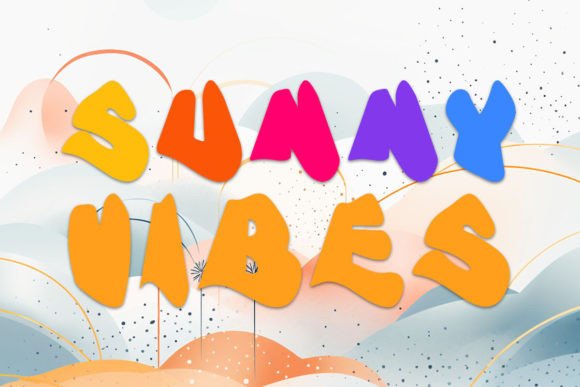
Sunny Vibes is defined by its quirky nature and lively strokes. Unlike utility fonts designed for long-form readability, this typeface prioritizes personality over neutrality. Its letterforms are marked by unique shapes that deviate from geometric perfection, creating a hand-drawn feel that suggests joy and whimsy. The all-caps structure gives it a bold presence, making it inherently loud in terms of visual weight.
The design philosophy behind Sunny Vibes leans heavily into the "unconventional" category. It does not attempt to blend into the background; instead, it demands to be seen. This makes it a powerful tool for headlines, logos, and short bursts of text where the goal is to evoke a specific emotional response—specifically, merriment and energy. For designers seeking a typeface that feels human-made rather than algorithmically generated, Sunny Vibes offers a distinct alternative to rigid, corporate typography.
Reasons to Consider Sunny Vibes
There are several practical reasons why a designer might evaluate Sunny Vibes for a specific campaign or brand identity. The primary driver is usually the need for differentiation. In saturated markets, standard fonts can make a brand look generic. By choosing a font with eclectic character, a brand can signal creativity and approachability immediately.
- Brand Personality: If a brand positions itself as fun, youthful, or community-focused, Sunny Vibes aligns well with those values. It communicates a lack of pretension.
- Visual Hierarchy: Because it is an all-caps display font, it naturally creates strong visual hierarchy. It works exceptionally well as a headline element that needs to stop the scroll.
- Event Promotion: Posters, flyers, and social media graphics for festivals, parties, or summer events benefit from the joyful vibe inherent in the font's name and design.
- Creative Expression: For illustrators and graphic artists working on personal projects or artistic statements, the unique shapes provide a canvas for further creative manipulation.
Benefits and Tradeoffs
While Sunny Vibes offers significant aesthetic benefits, it comes with tradeoffs that must be weighed carefully during the selection process. The most obvious benefit is its ability to infuse a project with instant personality. It removes the need for additional graphical elements to convey a sense of fun; the typography itself carries the mood.
However, the tradeoff lies in versatility and legibility. As a display font, Sunny Vibes is not suitable for body copy. The unique shapes and lively strokes that make it charming at large sizes can become difficult to decipher when scaled down. Furthermore, the all-caps format limits its use in contexts requiring sentence case or mixed-case nuance. Using it for paragraphs would likely result in poor readability and a disjointed user experience.
Another consideration is the risk of appearing dated. Quirky, hand-drawn styles can sometimes feel tied to specific design trends. While Sunny Vibes aims for a timeless whimsical quality, designers should consider whether the "playful charm" will age well within their specific industry context.
Ideal Situations for Implementation
To maximize the effectiveness of Sunny Vibes, it should be deployed in situations where brevity and impact are paramount. It is a strong fit for:
- Logo Design: For startups, cafes, boutiques, or creative agencies where the name is short and the brand voice is informal.
- Headlines and Titles: On landing pages, blog posts, or magazine covers where the title needs to pop against a neutral background.
- Packaging: On product labels for snacks, beverages, or lifestyle goods where the packaging serves as a marketing tool on the shelf.
- Merchandise: T-shirts, tote bags, and stickers where the text acts as a graphic element rather than informational content.
In these scenarios, the font's distinctive letterforms enhance the message without overwhelming the viewer, provided the text remains concise.
When to Consider Alternatives
Despite its strengths, there are clear situations where Sunny Vibes may not be the right choice, and alternatives should be considered. If the project requires high readability across various devices and screen sizes, a more standard sans-serif or serif font is necessary. Similarly, if the tone of the communication needs to be serious, authoritative, or formal, the playful nature of this typeface could undermine the message.
Designers should also avoid using Sunny Vibes for:
- Long-form Content: Articles, reports, or instructions require neutral typefaces that do not distract from the information.
- Corporate Communications: Legal documents, financial reports, or official announcements demand clarity and professionalism that a whimsical font cannot provide.
- Accessibility-Critical Interfaces: Users with visual impairments may struggle with the irregular shapes and all-caps formatting, especially at smaller sizes.
Practical Decision-Making Insights
Deciding whether to use Sunny Vibes ultimately depends on the alignment between the font's characteristics and the project's goals. A practical approach involves testing the font in its intended environment. Create mockups of the final design and view them at the actual size they will appear. Does the text remain legible? Does the "joyful and whimsical vibe" support the brand, or does it clash with other visual elements?
It is also crucial to consider pairing. Because Sunny Vibes is so distinctive, it often works best when paired with a simple, neutral font for supporting text. This contrast allows the display font to shine without causing visual fatigue. If the rest of the design is already busy or chaotic, adding another complex element like this font might create clutter.
Finally, think about longevity. Will this font still feel appropriate in two years? If the project is a long-term brand identity, ensure that the eclectic character of Sunny Vibes is versatile enough to grow with the brand. For short-term campaigns or seasonal promotions, the risk of trendiness is lower, making it a safer and more effective choice.
Conclusion
Sunny Vibes is a specialized tool in the typographic toolkit, offering a unique blend of playfulness and character. It is not a universal solution but rather a targeted asset for designs that seek to stand out through unconventional aesthetics. By understanding its strengths in creating visual interest and its limitations regarding readability and formality, designers can make informed decisions about its application. When used correctly in headlines, logos, and short-form content, it adds a touch of personality and merriment that can significantly enhance a creative expression. However, when precision and neutrality are required, exploring more traditional alternatives remains the prudent path.