The Dream Font: A Practical Guide to Retro Typography and Design Decisions
In the landscape of digital typography, few styles capture the specific energy of the late 1960s and early 1970s as effectively as The Dream. This typeface is not merely a collection of letters; it is a stylistic vehicle designed to transport viewers back to an era defined by groovy aesthetics, psychedelic art, and a distinct sense of playful rebellion. For designers, marketers, and content creators aged 20 to 50 who are navigating the complex choices of visual identity, understanding the nuances of The Dream is essential. It offers a unique blend of nostalgia and modern functionality, yet like any specialized tool, it requires careful evaluation to determine if it fits your specific project requirements.
Defining the Distinctive Character of The Dream
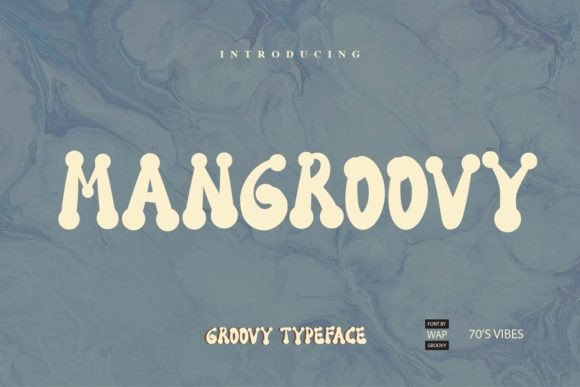
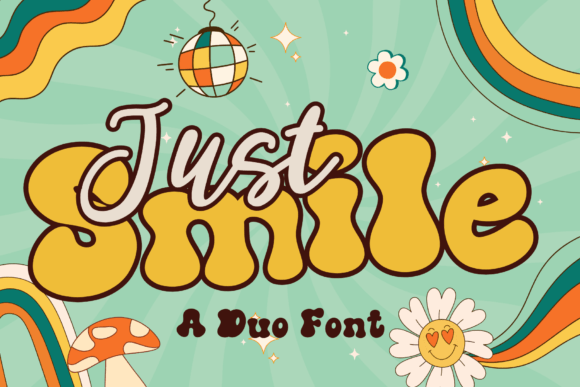
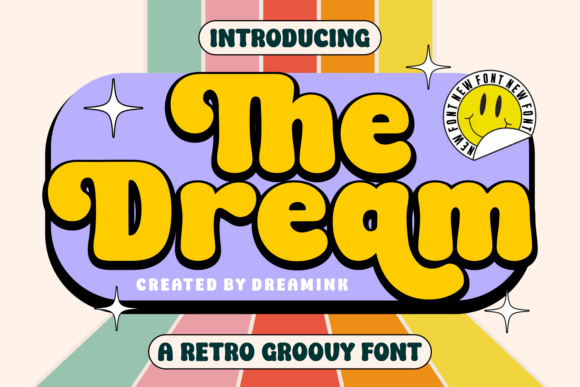
At its core, The Dream is a display font engineered to evoke the "cool" vibes of retro times. Its primary function is to inject a sense of nostalgia into modern designs, making it a go-to choice for projects that aim to feel vintage, hand-crafted, or culturally rooted in the past. What sets this font apart from generic script or serif alternatives is its intentional funkiness. The letterforms often feature exaggerated curves, uneven baselines, and a fluidity that mimics hand-lettering techniques popular during the psychedelic movement.
A critical technical aspect that distinguishes The Dream from many standard fonts found in basic operating system libraries is its encoding. It utilizes PUA (Private Use Area) encoding. For the average user, this might sound like a technicality, but in practice, it is a significant advantage. PUA encoding allows the font to house a vast array of special characters, glyphs, and ligatures that would otherwise be inaccessible or require multiple font files to achieve. When you install The Dream, you gain immediate access to these extended features without needing to hunt for companion files or switch between different typefaces to get the desired decorative elements. This seamless integration of complex graphics into a single font file streamlines the design process, allowing for richer, more detailed typographic compositions.
Evaluating Strengths and Tradeoffs in Design Contexts
When comparing The Dream to other options in the retro category, several strengths become apparent. The most obvious is its ability to instantly communicate a mood. In a split-second glance, a viewer can identify the intended era and tone. This makes it highly effective for headlines, logos, and short bursts of text where impact is more important than readability over long distances. The playful charm inherent in the design helps projects stand out in crowded digital spaces, particularly on social media platforms where visual differentiation is key to engagement.
However, every design choice involves tradeoffs. The very characteristics that make The Dream so visually striking also limit its versatility. Because of its heavy stylization, it is generally unsuitable for body copy. Long paragraphs set in this typeface can become difficult to read, causing eye strain and reducing information retention. If your project requires substantial amounts of text—such as a blog post, a legal document, or a product manual—relying on The Dream for the main content would be a strategic error. Instead, it should be viewed as a complementary element, paired with a clean, neutral sans-serif or slab-serif font for the bulk of the reading material.
Another consideration is the potential for dating. While nostalgia is a powerful marketing tool, leaning too heavily on a specific retro style can sometimes make a brand appear stuck in the past rather than timeless. Designers must weigh whether the "groovy" vibe aligns with their long-term brand strategy. Is the goal to create a temporary campaign with a vintage theme, or is this the permanent face of a company? In the latter case, using The Dream sparingly is crucial to avoid overwhelming the audience with a singular aesthetic that may lose its novelty over time.
Comparing Alternatives and Stylistic Categories
To make an informed decision, it is helpful to place The Dream within the broader context of available typography categories. There are numerous fonts that attempt to capture a vintage feel, ranging from distressed wood-type revivals to smooth, Art Deco-inspired scripts. How does The Dream compare?
- Distressed vs. Clean Retro: Many vintage fonts rely on texture and grunge effects to simulate age. The Dream, conversely, often maintains cleaner lines while relying on shape and flow to convey its message. This makes it more adaptable to digital screens where high-resolution textures can sometimes blur or pixelate.
- Script vs. Display: While some retro fonts are purely cursive scripts, The Dream often occupies a middle ground, offering legible character structures that still retain a handwritten flair. This balance makes it slightly more readable than pure calligraphy fonts while retaining more personality than standard block letters.
- Standard vs. PUA Encoded: As mentioned earlier, the PUA encoding gives The Dream a functional edge over standard OpenType fonts that lack extensive glyph sets. If you are looking for a font that includes built-in swashes, alternate characters, and decorative ligatures without requiring complex font management software, this is a significant differentiator.
When evaluating alternatives, consider the specific "flavor" of retro you need. If your project requires a gritty, punk-rock aesthetic, a distressed font might be a better fit. If you need elegance reminiscent of the 1920s, an Art Deco style would serve you better. The Dream sits firmly in the sweet spot of the 1960s and 70s—fun, optimistic, and slightly eccentric. Understanding this specific niche helps narrow down the field of comparison significantly.
Decision Factors: When to Choose The Dream
Determining when The Dream is the right choice comes down to the goals of your project. It is an excellent option when:
- You are designing event posters, concert flyers, or festival branding where a lively, energetic atmosphere is required.
- You need to create a logo for a business related to lifestyle, food, beverages, or creative arts that wants to signal approachability and fun.
- Your project involves short-form content, such as social media graphics, t-shirt designs, or packaging labels, where visual impact outweighs the need for dense text.
- You require access to a wide variety of decorative glyphs and ligatures without the hassle of managing multiple font files.
Conversely, there are scenarios where readers may need another option. If the priority is maximum legibility across all devices and screen sizes, a standard geometric sans-serif is a safer bet. If the brand identity needs to convey strict professionalism, authority, or minimalism, the playful nature of The Dream could undermine the message. Additionally, if the target audience is older and less familiar with the specific cultural references of the 60s and 70s, the "nostalgia" factor might not resonate as intended, potentially leading to confusion rather than connection.
Practical Application and Implementation
Implementing The Dream effectively requires a balanced approach. Because the font is so expressive, it demands negative space to breathe. Crowding the letters together can ruin the flow and obscure the unique shapes of the glyphs. Designers should experiment with kerning and tracking to ensure that the "funky style" remains legible. Furthermore, leveraging the PUA-encoded glyphs can add a layer of sophistication. Instead of using standard punctuation, utilizing the custom ligatures provided in the font can create a more cohesive and professional look that feels handcrafted.
Color pairing is another vital aspect of working with this typeface. The retro vibe is often enhanced by specific color palettes—think warm oranges, deep purples, mustard yellows, and earthy browns. However, The Dream is versatile enough to work with high-contrast black and white schemes as well, proving that its strength lies in its form rather than just its association with a specific color trend.
Final Considerations for Your Design Strategy
Choosing a font is rarely a binary decision; it is part of a larger ecosystem of visual communication. The Dream offers a compelling package for those seeking to tap into the emotional resonance of retro times. Its combination of nostalgic appeal, funky styling, and robust PUA encoding makes it a powerful asset in the right hands. However, its limitations regarding readability and context mean it should be used strategically rather than as a default solution for all text.
By weighing the strengths of its unique character against the practical needs of your project, you can determine if this font will truly enhance your design or if a more neutral alternative is required. Whether you are creating a one-off campaign or building a lasting brand identity, the key is to let the content guide the style. If your message calls for a trip down memory lane with a touch of playful charm, The Dream stands ready to deliver that experience. If your needs lean towards clarity and modern minimalism, exploring other categories may yield better results. Ultimately, the best font is the one that serves your audience and your message most effectively.