Home School: A Playful Font for Creative Projects
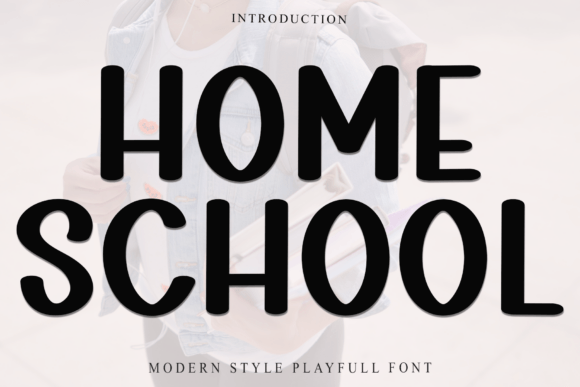
In the crowded landscape of digital typography, finding a typeface that balances professionalism with genuine warmth can be a challenge. Home School emerges as a solution to this specific design dilemma. It is a modern, playful font designed to bring a touch of fun and simplicity to your projects. Unlike rigid sans-serifs or overly decorative scripts, Home School offers bold, rounded letters that feel approachable without sacrificing readability. For creators, educators, and small business owners, this font serves as more than just an aesthetic choice; it is a tool to make designs feel engaging and human.
The Design Philosophy Behind Home School
What makes Home School interesting is its deliberate departure from sharp edges and cold geometry. The font's architecture relies on soft curves and consistent stroke widths, creating a visual rhythm that mimics hand-drawn lettering while maintaining the precision of a digital typeface. This duality is crucial for modern design. When you look at the characters, they invite interaction. They do not shout for attention like a display font might, nor do they recede into the background like a standard body text.
The "rounded" aspect of the design is particularly effective in reducing visual fatigue. In educational contexts, where large blocks of text are common, harsh angles can sometimes create a subconscious barrier for young readers. Home School mitigates this by offering a softer entry point. For adults, these same rounded forms evoke nostalgia and comfort, often associated with childhood learning environments or friendly community notices. This psychological connection is what allows the font to bridge the gap between professional marketing materials and personal DIY projects.
Why Simplicity Matters in Modern Typography
Simplicity in design is often mistaken for minimalism, but Home School proves that simple does not mean bare. The font retains enough character to stand alone as a headline while remaining legible in smaller sizes. This versatility is a significant asset for designers working across multiple formats. Whether you are designing a mobile app interface, a printed poster, or a social media graphic, the font scales effectively. The bold weight ensures visibility on busy backgrounds, while the inherent playfulness prevents the content from feeling sterile or corporate.
When selecting a typeface, the goal should always be alignment with the brand's voice. If your message is about growth, learning, community, or creativity, Home School provides the perfect tonal match. It signals that the content is accessible and that the creator values the audience's experience. This subtle communication happens before the viewer even reads a single word, setting a positive expectation for the information that follows.
Creative Applications and Project Ideas
The true value of Home School becomes apparent when applied to real-world scenarios. Its bold, rounded letters are ideal for educational themes, posters, book covers, and DIY projects. However, the scope of its application extends far beyond the classroom. Here is how different professionals can leverage this typeface to enhance their work.
- Educational Materials: Teachers and curriculum developers can use Home School for worksheets, flashcards, and presentation slides. The font helps maintain student engagement by making the material feel less intimidating. It works exceptionally well for headers and key terms, guiding the eye through complex information.
- Children's Book Covers: Publishers and self-publishing authors looking to capture the attention of parents and young readers will find this font invaluable. On a book cover, Home School can serve as the primary title treatment, conveying the genre immediately—be it a storybook, an activity guide, or a non-fiction exploration of nature.
- Event Posters and Invitations: Community organizers and event planners can utilize the font for birthday parties, workshops, and local gatherings. The playful nature of the letters suggests celebration and inclusivity, encouraging higher attendance rates compared to more formal typefaces.
- DIY and Craft Projects: Hobbyists using vinyl cutters or Cricut machines will appreciate the clean vector paths of Home School. It is perfect for customizing t-shirts, mugs, tote bags, and wall decals. The rounded shapes translate beautifully into physical mediums, avoiding the jagged edges that can occur with thinner fonts during cutting.
- Brand Identity for Startups: Entrepreneurs launching products focused on wellness, parenting, or education can integrate Home School into their logo and branding guidelines. It helps establish a friendly brand personality that resonates with target demographics seeking trust and reliability.
Adapting Home School for Different Audiences
While the font has a distinct personality, it is not a one-size-fits-all solution. To get the most out of Home School, users must adapt its application based on their specific goals and audience. A designer targeting toddlers will use the font differently than a marketer targeting young adults.
For younger audiences, the font can be used liberally. Large sizes, vibrant color combinations, and pairing with illustrative elements work best. The goal here is excitement and discovery. You might pair Home School with a secondary, more structured sans-serif for body text to ensure long-form reading remains comfortable. The contrast between the playful header and the clean body text creates a balanced hierarchy that guides the reader effectively.
Conversely, when targeting adults, such as parents or educators, the usage should be more restrained. Use Home School sparingly for headlines, pull quotes, or call-to-action buttons. In this context, the font acts as a highlight rather than the main structure. It adds a touch of warmth to a professional layout without undermining the seriousness of the content. For example, a blog post about homeschooling strategies could use Home School for section titles to soften the academic tone, making the advice feel more like a conversation between peers.
Maintaining Clarity and Consistency
One of the risks with playful fonts is that they can easily become overwhelming if overused. To keep results clear and effective, it is essential to establish a strict typographic hierarchy. Limit the use of Home School to headings and subheadings. Avoid using it for paragraphs longer than three lines, as the unique shapes of the letters can slow down reading speed in dense blocks.
Consistency is also key. Once you decide on a size and weight for your headers, stick to it throughout the project. Mixing weights or drastically changing sizes can disrupt the visual flow and dilute the impact of the font. Additionally, pay close attention to kerning and line spacing. Because the letters are rounded and bold, they require slightly more breathing room than standard typefaces. Increasing the leading (line height) can significantly improve readability and prevent the text from appearing cramped.
Practical Recommendations for Implementation
Integrating Home School into your workflow requires a few practical considerations to ensure the final output meets professional standards. First, ensure you have the correct file format for your medium. For web design, use optimized web fonts (WOFF2) to ensure fast loading times without compromising quality. For print projects, high-resolution OTF or TTF files are necessary to maintain crisp edges at any size.
Color selection plays a vital role in maximizing the font's potential. Home School pairs beautifully with pastel palettes, earth tones, and high-contrast combinations. Avoid using the font in low-contrast settings, such as light gray on white, as the rounded details may get lost. Instead, opt for deep blues, warm oranges, or classic black to let the shape of the letters shine.
Finally, test your designs across different devices. What looks bold and clear on a desktop monitor might appear too heavy on a smartphone screen. Responsive design principles apply to typography as much as they do to images. Ensure that the font scales appropriately and remains legible on all platforms where your audience might encounter it.
By understanding the strengths and limitations of Home School, you can transform ordinary projects into engaging experiences. Whether you are creating a lesson plan, designing a product label, or building a website, this font offers a reliable way to inject personality and warmth into your work. It reminds us that design is not just about aesthetics; it is about how we make people feel. With Home School, the feeling is one of welcome, curiosity, and joy.