April Wish: A Friendly All-Caps Display Font for Creative Projects
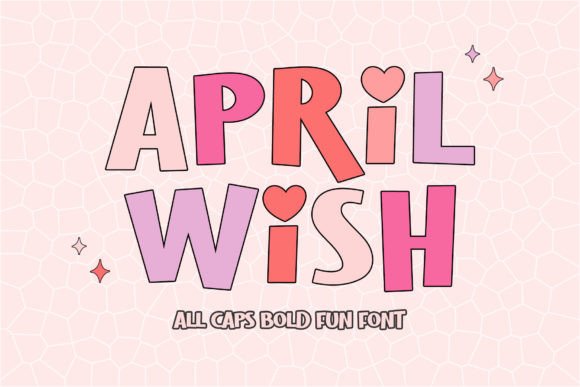
When you are scrolling through a gallery of typefaces, it is easy to get swept up in the visual appeal of a new font without considering its practical application. April Wish stands out immediately as a cute and friendly all-caps display font that brings a sense of warmth and approachability to any design. Its rounded edges and playful structure make it an inviting choice for headers, logos, and social media graphics. However, adding April Wish to your creative projects requires more than just downloading the file; it demands an understanding of where this specific style shines and where it might fall short if misused.
Many designers and content creators assume that because a font looks "cute," it can be used anywhere. This is a common misconception that often leads to cluttered layouts and poor readability. To truly be amazed by the generated outcome when using April Wish, you must treat it with the same strategic intent you would apply to any professional tool. Let's explore how to use this typeface effectively while avoiding the pitfalls that can undermine your design goals.
Understanding the Nature of April Wish
Before integrating April Wish into your workflow, it is crucial to recognize exactly what kind of typeface it is. It is a display font, which means it is designed specifically for large sizes and short bursts of text, such as headlines, titles, or pull quotes. It is not intended for body copy, paragraphs, or long-form reading materials. The all-caps nature of the font adds to its decorative quality, giving it a bold presence that commands attention.
The charm of April Wish lies in its personality. It feels handcrafted and whimsical, making it perfect for brands targeting families, children, lifestyle bloggers, or businesses wanting to project a soft, welcoming image. If your goal is to communicate friendliness, creativity, or celebration, this font is a strong contender. However, its utility is strictly limited by its design characteristics. Using it outside of its intended scope is the first major mistake many beginners make.
Common Mistakes When Using Display Fonts
One of the most frequent errors I see is the overuse of display fonts like April Wish. Because the characters are distinct and stylized, they can become visually exhausting if stretched across too much text. When readers encounter a paragraph written entirely in an all-caps display font, their eyes struggle to distinguish between words, leading to rapid fatigue. This directly impacts user experience and engagement, causing visitors to leave your site or ignore your message.
Another overlooked detail is the lack of lowercase letters. Since April Wish is an all-caps font, you lose the natural flow and hierarchy that uppercase and lowercase combinations provide. In standard typography, the ascenders and descenders of lowercase letters help the eye track lines of text smoothly. Without them, blocks of text appear as solid walls of color. This is particularly problematic for entrepreneurs and marketers who need to convey detailed information quickly and clearly.
Furthermore, pairing April Wish with the wrong secondary font can ruin the entire aesthetic. A common mistake is pairing it with another highly decorative or script font. This creates a competition for attention rather than a harmonious balance. The result is a chaotic design that lacks professionalism and clarity. Your audience may perceive the brand as disorganized or lacking in taste, which can hurt your credibility.
How These Mistakes Affect Your Results
The consequences of misusing a font like April Wish go beyond simple aesthetics. Poor typographic choices affect usability and efficiency. For a small business owner, a website that is difficult to read can lead to lost sales and lower conversion rates. For a blogger, it can reduce time spent on page and increase bounce rates. In print materials, such as flyers or packaging, illegible text can frustrate customers and obscure important details like pricing or instructions.
Cost is also a factor, though less obvious. If you hire a designer or spend hours creating assets only to realize the font choice makes the content unreadable, you have wasted valuable resources. Correcting these issues later requires reworking the entire layout, which delays your launch and increases expenses. Additionally, if your branding relies heavily on a font that doesn't scale well, you may find yourself unable to adapt your designs for different platforms, limiting your marketing reach.
Practical Advice for Better Design Choices
To avoid these pitfalls and maximize the potential of April Wish, start by defining its role in your project. Use it exclusively for headlines, logos, or short phrases where its personality can shine without overwhelming the viewer. Keep the text size large enough to appreciate the details of the letterforms, but ensure there is ample whitespace around it to let it breathe.
When selecting a companion font, choose a clean, neutral sans-serif or a simple serif for your body text. This contrast ensures that the April Wish headline pops while the supporting text remains legible. For example, pair April Wish with a straightforward font like Open Sans, Lato, or Roboto. This combination allows the friendly vibe of the display font to set the tone while maintaining high readability for the actual content.
Consider the context of your audience. If you are designing for a professional legal firm or a technical manual, April Wish might be too informal, regardless of how well it is paired. Conversely, for a bakery, a kids' party planner, or a wellness blog, it fits perfectly. Always ask yourself if the font supports the message you are trying to convey. If the answer is no, it is better to choose a different typeface that aligns more closely with your brand voice.
What to Check Before Downloading or Buying
Before you commit to using April Wish, take the time to evaluate the license and the file quality. Many free fonts come with restrictive licenses that prohibit commercial use, which can lead to legal trouble for freelancers and business owners. Ensure that the version you download allows for the specific usage you intend, whether it is for web, print, or merchandise.
Also, test the font in your actual environment before finalizing your design. Sometimes a font looks great in a preview window but fails when rendered on a mobile screen or printed on textured paper. Check how the characters look at various sizes and weights. Are the thin strokes too delicate? Do the curves hold up when scaled down? These practical checks can save you from embarrassing errors in your final deliverables.
Finally, think about longevity. While trendy fonts like April Wish are delightful, they can sometimes date quickly. Consider whether this style will still feel fresh in a year or two. If you are building a long-term brand identity, you might want to balance the trendiness of the font with timeless elements in your overall design strategy.
Conclusion: Making the Most of April Wish
April Wish is a fantastic resource for those looking to inject personality and warmth into their creative projects. Its cute and friendly all-caps style offers a unique opportunity to stand out in a crowded digital landscape. However, its effectiveness depends entirely on how thoughtfully it is applied. By avoiding common mistakes like overuse, poor pairing, and ignoring readability, you can ensure that your designs are not only beautiful but also functional and impactful.
Remember, good typography is about communication, not just decoration. When you respect the limitations and strengths of a font like April Wish, you create work that resonates with your audience and achieves your goals. Take the time to plan, test, and refine your choices, and you will be amazed by the professional results you can achieve with this charming typeface.