Fishman: A Vintage Display Font for Timeless Design
There is a specific kind of magic in typography that instantly transports you back to a different era. It’s not just about the shape of the letters; it is about the story they tell before a single word is read. Fishman captures this essence perfectly. As a vintage-style display font, it evokes a deep sense of nostalgia with its retro charm, drawing inspiration from the classic signage of the early 20th century. When you first encounter Fishman, you aren't just looking at a typeface; you are seeing bold letterforms and intricate details that lend an immediate authenticity to any design project. Whether you are crafting a label for a small-batch craft beer or designing a poster for a local jazz festival, this font brings a timeless appeal that modern sans serif fonts simply cannot replicate.
The Visual Personality of a Retro Masterpiece
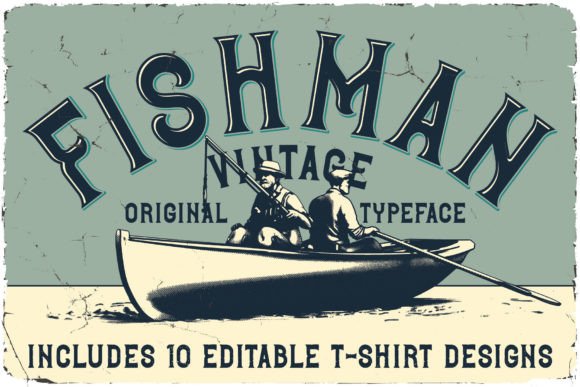
At its core, Fishman is a display font, meaning it is designed to grab attention at larger sizes rather than serve as body text. Its visual characteristics are rooted in the aesthetic of classic Americana and European street signs. The letterforms are thick and substantial, boasting high contrast between the heavy strokes and the delicate serifs that cap the ends of characters. These intricate details—perhaps a subtle curve on the 'S' or a unique crossbar on the 'A'—are what give the font its soul.
Unlike a generic handwritten font that can sometimes feel messy or overly casual, Fishman maintains a structured elegance. It feels deliberate and crafted. The personality of the font is confident yet inviting. It speaks of heritage, quality, and tradition. For designers working on brand identity, this makes Fishman an incredibly powerful tool. It suggests that the product or service behind the logo has stood the test of time, even if it is brand new. This perceived history builds trust with the audience, a crucial element in marketing where consumers are constantly bombarded with fleeting trends.
The style sits comfortably within the realm of modern typography by taking old-world influences and refining them for contemporary use. While it is technically a serif font, its weight and structure allow it to stand alone without needing the support of other decorative elements. It commands space on a page, making it an ideal choice for headlines, logos, and short phrases where impact is paramount.
Ideal Applications Across Creative Industries
Understanding where Fishman shines is just as important as understanding its look. Because of its bold nature and intricate details, it works best in applications where legibility at large sizes is key. Let's explore some real-world scenarios where this premium font delivers exceptional results.
- Packaging Design: If you are launching a line of artisanal goods, such as hot sauces, jams, or spirits, Fishman is a natural fit. It transforms a simple jar into a collectible item. The retro vibe aligns perfectly with the "craft" movement, signaling to the consumer that the contents are made with care and traditional methods.
- Logo Design: For businesses wanting to establish a strong, memorable mark, Fishman offers distinct character. A bakery, a vintage clothing store, or a barbershop can use this font to create a logo that feels established and reliable. The unique letterforms ensure your brand stands out in a crowded marketplace.
- Editorial and Poster Design: In print media, Fishman acts as a focal point. Use it for magazine covers, event posters, or book titles. Its ability to hold its own against complex backgrounds makes it versatile for graphic layouts that require a strong visual hierarchy.
- Social Media Graphics: In the digital space, attention spans are short. A headline set in Fishman on an Instagram post or Facebook ad stops the scroll. The retro aesthetic often performs well in lifestyle niches, appealing to audiences who appreciate aesthetics and storytelling.
- Web Design: While not suitable for long paragraphs of website copy, Fishman is excellent for hero sections, navigation headers, and call-to-action buttons. It adds a layer of sophistication to a site that might otherwise feel too sterile with standard web fonts.
Influencing Perception and Engagement
The choice of typeface goes far beyond aesthetics; it directly influences how your audience perceives your brand. Using a font like Fishman signals professionalism and attention to detail. It tells the viewer that you have invested in your visual identity. This consistency across your design assets helps build recognition over time. When customers see that distinctive retro style repeatedly, it creates a mental association with your brand values.
Furthermore, readability plays a significant role in engagement. While Fishman is a display font, its clear structure ensures that short messages are understood quickly. However, because of its decorative nature, using it for body text would hinder readability. The key is knowing when to let the font shine and when to step back. By reserving Fishman for headlines and key phrases, you create a visual rhythm that guides the reader through your content, enhancing the overall user experience.
Practical Guidance for Implementation
Integrating Fishman into your workflow requires a strategic approach. Here is how to ensure you get the most out of this creative font.
Evaluating Project Fit
Before committing to Fishman, ask yourself if your project needs a voice of authority and nostalgia. If your brand is ultra-minimalist, futuristic, or strictly corporate, this font might clash with your overall message. It thrives in environments that value warmth, history, and craftsmanship. Always consider the context: does the retro charm enhance the message, or does it distract from it?
Mastering Font Pairing
One of the most common mistakes designers make is pairing a decorative font with another equally busy typeface. To let Fishman breathe, pair it with a clean, neutral sans serif font. Fonts like Helvetica, Roboto, or Open Sans work beautifully alongside it. The simplicity of the sans serif balances the complexity of Fishman, ensuring that your font pairing remains readable and harmonious. This combination allows the display font to act as the star while the secondary font handles the informational heavy lifting.
Reviewing Styles and Licensing
When selecting Fishman, take a moment to review the included styles. Does the family offer italics, condensed versions, or alternate glyphs? These variations can add depth to your designs without breaking the visual language. Additionally, always verify the licensing terms. As a commercial font, understanding whether you need a personal, web, or desktop license is critical for legal compliance. Most professional projects will require a commercial license to avoid future issues, especially if the design is used for client work or product sales.
Ultimately, Fishman is more than just a collection of shapes; it is a design asset that carries emotional weight. By leveraging its vintage appeal and bold presence, you can create work that resonates deeply with your audience. Whether you are a seasoned designer or a small business owner looking to elevate your branding, this typeface offers a reliable path to creating something truly memorable.