Evaluating Glee: A Practical Guide to a Playful Display Font
In the landscape of digital typography, few typefaces manage to balance eccentricity with readability as effectively as Glee. As an all-caps display font, it is designed not for body text or long-form reading, but to capture attention and inject personality into specific design elements. For designers, marketers, and creative professionals aged 20 to 50 who are tasked with selecting the right visual voice for a project, understanding where Glee fits within a broader typographic strategy is essential. This evaluation explores the distinct characteristics of the font, compares it against similar stylistic categories, and outlines the practical tradeoffs involved in its adoption.
The Distinctive Character of Glee
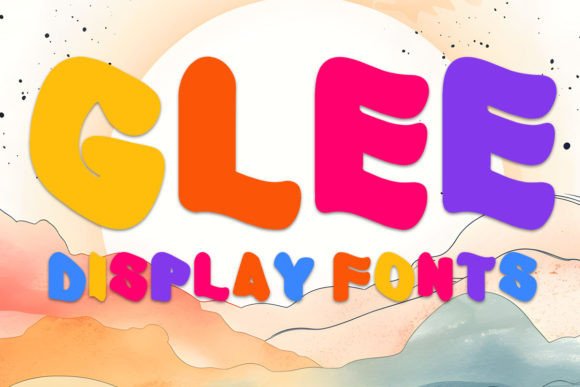
Glee is defined by its quirky, all-caps structure that radiates a sense of playful charm. Unlike standard sans-serif or serif fonts that prioritize neutrality, this typeface embraces an eclectic character through its distinctive letterforms. Each glyph is marked by unique shapes and lively strokes that deviate from geometric perfection, infusing a joyful and whimsical vibe into any composition. The design philosophy behind Glee suggests that typography can be an emotional trigger; when used correctly, it communicates merriment and approachability instantly.
The "all-caps" constraint is a defining feature that dictates how the font functions. Because it lacks lowercase variations, the rhythm of the text is uniform, which can create a bold, blocky presence on the page. However, the internal variation in stroke weight and the irregularity of the letter shapes prevent the text from feeling monotonous or aggressive. Instead, the uneven baseline and playful curves give the impression of hand-lettered signage, bridging the gap between professional typesetting and organic illustration. This makes Glee particularly effective for headlines, logos, and short calls to action where the goal is to stand out rather than to inform densely.
Comparing Glee to Standard Display Alternatives
When evaluating Glee, it is helpful to compare it against other common display font categories to understand its specific niche. In the realm of display typography, options generally fall into three buckets: geometric sans-serifs, retro-inspired scripts, and hand-drawn quirks. Geometric fonts offer clean lines and high legibility but often lack the emotional warmth that Glee provides. They are excellent for corporate branding but can feel sterile for projects requiring a human touch.
Conversely, script fonts offer fluidity and elegance but often sacrifice legibility at smaller sizes or in all-caps configurations. Glee occupies a middle ground. It shares the whimsical nature of hand-drawn fonts but maintains the structural integrity of a constructed typeface. Where a pure hand-drawn font might look messy or inconsistent across different characters, Glee offers a cohesive set of glyphs that still retain their individual personality. This distinction is crucial for brands that want to appear fun without appearing unprofessional.
Another comparison point is the use of "loud" or "shouty" display fonts. Many all-caps fonts rely on heavy weights and sharp angles to grab attention, which can inadvertently signal aggression or urgency. Glee avoids this pitfall by using rounded edges and varied stroke widths to soften its impact. While other fonts might demand attention through volume, Glee invites engagement through curiosity. This subtle difference in tone can significantly influence user perception, making it a superior choice for industries like education, entertainment, lifestyle, and community-focused initiatives.
Strengths and Tradeoffs in Design Implementation
The primary strength of Glee lies in its ability to convey a specific mood instantly. In a crowded digital environment, where users scan content rapidly, a font that communicates "joy" and "whimsy" can stop the scroll. Its unconventional aesthetic ensures that designs featuring Glee do not blend into the background. For creative expressions seeking a standout look, this font acts as a powerful anchor, providing a focal point that draws the eye immediately.
However, these strengths come with inherent tradeoffs. The most significant limitation is the lack of lowercase letters. This restricts the font's utility to short phrases, titles, and headers. Attempting to use Glee for paragraphs or detailed instructions would result in poor readability and visual fatigue. The all-caps format naturally increases word density and reduces the distinct shapes that help the brain recognize words quickly. Therefore, Glee must always be paired with a more neutral, readable body font to maintain a balanced hierarchy.
Another consideration is versatility. While Glee excels in contexts requiring playfulness, it may feel out of place in serious, formal, or luxury-oriented designs. A financial report, a legal document, or a high-end fashion brand would likely find the font's eclectic character too distracting. The decision to use Glee requires a clear alignment with the brand's voice; if the message is serious, the font will undermine the content. Conversely, if the brand aims to be approachable and fun, the font's limitations become less relevant because its primary job is to establish tone, not to carry information density.
Best-Fit Situations for Glee
- Event Marketing: Festivals, workshops, and community gatherings benefit from the energetic vibe of Glee.
- Children's Products: Packaging and educational materials where a friendly, non-threatening aesthetic is required.
- Creative Branding: Startups and small businesses looking to differentiate themselves from corporate competitors.
- Social Media Graphics: Short captions and overlays where visual impact is prioritized over text length.
Situations Requiring Alternative Options
- Long-Form Content: Any text exceeding a few words should utilize a standard serif or sans-serif font.
- Formal Communications: Legal, medical, or corporate announcements require neutrality and clarity.
- Luxury Positioning: High-end brands often prefer minimalist or classic typography to convey exclusivity.
- Accessibility-Critical Designs: If the audience includes those with dyslexia or visual impairments, simpler, more structured fonts are often safer choices.
Decision Factors for Selecting Glee
Choosing Glee should be a deliberate decision based on the project's goals rather than a default choice for "fun" designs. When evaluating whether this font is the right fit, consider the context in which it will appear. Is the primary objective to evoke an emotional response, or is it to convey complex information? If the former, Glee is a strong contender. If the latter, it should be reserved strictly for decorative accents.
Designers should also test the font in various environments before committing. How does Glee scale on mobile devices compared to desktop screens? Does the unique shape of the letters remain distinct at small sizes, or do they blur together? Because the font relies on lively strokes and unique shapes, reducing the size too much can obscure its character, turning the playful details into visual noise. Pairing it with a complementary font that has high x-height and open counters can mitigate these issues, ensuring that the overall layout remains accessible while retaining its whimsical flair.
Furthermore, consider the longevity of the design trend. While Glee taps into a timeless appreciation for hand-crafted aesthetics, the specific execution of quirky, all-caps fonts can sometimes feel tied to a particular era of web design. To ensure the design remains effective over time, use Glee sparingly and strategically. Let the font serve as a highlight rather than the entire foundation of the visual identity. By balancing its expressive nature with solid design principles, you can leverage its charm without falling victim to fleeting trends.
Conclusion on Typography Strategy
Glee represents a specific tool in the typographic toolkit, one that is invaluable for adding personality and merriment to creative expressions. Its distinctive letterforms and all-caps structure make it ideal for projects that need to break away from convention and connect with an audience on an emotional level. However, its effectiveness is contingent upon understanding its limitations regarding legibility and context. By comparing it against more neutral alternatives and carefully considering the tradeoffs, designers can determine when Glee is the perfect choice and when a different approach is necessary. Ultimately, the best typography decisions are those that align the font's character with the message's intent, ensuring that the design not only looks good but also functions effectively for its intended audience.