Unlocking Joyful Creativity with the Little Play Font
In the vast landscape of digital typography, where sleek sans-serifs and rigid serifs often dominate professional spaces, there is a distinct need for typefaces that breathe life, energy, and genuine emotion into a design. This is where Little Play steps in, offering a refreshing departure from the mundane. Designed specifically to capture the unbridled spirit of childhood, this charming and playful typeface serves as more than just a collection of characters; it is a tool for storytelling that resonates with the joyous nature of growing up. Whether you are crafting a back-to-school flyer, designing a birthday invitation, or building an educational app, Little Play provides the visual vocabulary needed to turn every project into a celebration of youthful imagination.
The Philosophy Behind a Playful Typeface
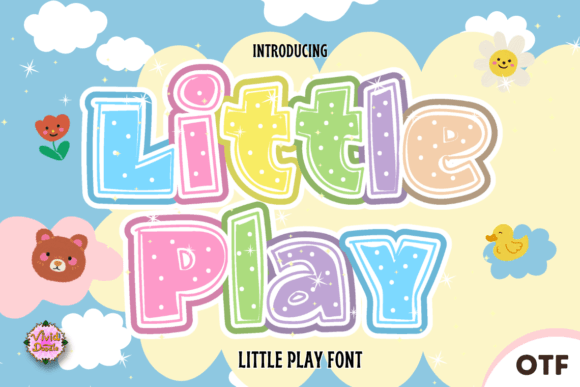
Typography is rarely neutral. Every font carries a tone, a voice, and a set of expectations for the reader. When we choose a font like Little Play, we are making a deliberate decision to communicate warmth, approachability, and fun. The philosophy behind its creation was rooted in the observation that children's worlds are vibrant, colorful, and full of movement. A standard, blocky font simply cannot convey the same sense of wonder as one that mimics the slightly imperfect, hand-drawn quality of a child's scribble or the whimsical lettering found in storybooks.
Little Play achieves this by incorporating subtle curves, varied stroke widths, and a bouncy rhythm that feels organic rather than mechanical. It avoids the stiffness of traditional fonts, opting instead for a dynamic flow that guides the eye gently across the page. This characteristic makes it particularly effective for projects where the goal is to lower barriers to entry, making complex information feel accessible and inviting for young audiences.
Capturing the Essence of Childhood
The essence of childhood is defined by curiosity and discovery. When a designer selects Little Play, they are tapping into these core emotions. The font’s rounded terminals and open counters create a soft visual texture that feels safe and friendly. Unlike sharp-edged fonts that can feel aggressive or overly serious, Little Play invites interaction. It suggests that the content following it is something to be explored, enjoyed, and perhaps even touched. This emotional connection is crucial in industries ranging from early childhood education to family-oriented entertainment.
Consider the psychological impact of seeing a headline written in Little Play. It immediately signals that the viewer is entering a space dedicated to creativity and learning. It breaks down the formal distance between the creator and the audience, fostering a sense of community and shared excitement. This is why it has become a favorite among designers who want their work to feel human-centric and emotionally intelligent.
Practical Applications in Modern Design Workflows
While the aesthetic appeal of Little Play is undeniable, its true value lies in its versatility within modern design workflows. Many assume that "playful" fonts are limited to specific niches, but Little Play proves otherwise. Its clean structure ensures legibility even at smaller sizes, while its distinctive character allows it to stand out as a display font for headlines. This dual capability makes it an asset for a wide array of projects.
Back-to-School and Educational Materials
One of the most prominent uses for Little Play is in the realm of education. As schools prepare for the new academic year, the demand for engaging materials skyrockets. Teachers, curriculum developers, and school administrators rely on fonts that can grab the attention of students without causing visual fatigue. Little Play is perfect for creating lesson plans, classroom posters, and homework assignments that look exciting rather than tedious.
Imagine a reading comprehension worksheet where the title is written in Little Play. The immediate effect is a shift in mood; the task no longer feels like a chore but rather an adventure waiting to begin. This font works exceptionally well for phonics charts, alphabet flashcards, and reward systems, helping to gamify the learning process. By integrating Little Play into educational resources, educators can subtly encourage engagement and reduce anxiety around learning new concepts.
Birthday Celebrations and Personal Events
Personal events, particularly birthdays, are another area where Little Play shines. In an era where digital invitations have largely replaced paper ones, standing out in a crowded inbox requires a touch of personality. Using Little Play for party themes, cake toppers, and custom banners instantly communicates the festive nature of the occasion. It pairs beautifully with bright colors and whimsical illustrations, creating a cohesive visual identity for the event.
Parents and event planners often struggle to find fonts that balance readability with style. Too many decorative fonts become illegible when scaled down for mobile devices. However, Little Play maintains its clarity while retaining its charm, ensuring that important details like time, location, and RSVP instructions are easily understood. This practicality makes it a go-to choice for DIY enthusiasts and professional graphic designers alike.
Integrating Little Play into Your Brand Identity
For businesses targeting families or children, brand identity is paramount. A logo or tagline written in Little Play can define a company's personality before a single product is purchased. It signals that the brand understands its audience and values fun, creativity, and safety. This is particularly relevant for toy manufacturers, children's clothing lines, and apps focused on kid-friendly content.
When integrating Little Play into a broader brand strategy, it is essential to consider how it interacts with other elements. Because the font is so expressive, it often works best when paired with a more neutral sans-serif for body text. This contrast ensures that the playful energy of the headlines doesn't overwhelm the informational content. For example, a website for a daycare center might use Little Play for the main navigation and hero section, while using a clean, simple font for policy documents and daily schedules.
Design Tips for Maximum Impact
- Color Pairing: Little Play thrives in vibrant color palettes. Don't be afraid to experiment with pastels, primary colors, or high-contrast combinations to enhance its cheerful allure.
- Kerning and Spacing: While the font is designed to be flexible, adjusting letter spacing can help fine-tune the rhythm. Slightly tighter kerning can make it feel more compact and cute, while looser spacing adds airiness and elegance.
- Context Matters: Always test Little Play in the actual environment where it will be used. Ensure it remains readable on screens of various sizes and in print formats.
- Combination Strategy: Use Little Play as an accent or headline font rather than for long blocks of text. This preserves its specialness and prevents it from becoming visually monotonous.
Why Choosing the Right Font Matters
Selecting a typeface is one of the most critical decisions a designer makes. It sets the stage for the entire communication experience. With Little Play, the choice is clear: you are choosing to prioritize the user's emotional response. In a world saturated with information, capturing attention through genuine delight is a powerful strategy. This font does not just display words; it transforms them into an experience.
Whether you are a parent creating a scrapbook, a teacher preparing a lesson, or a marketer launching a new campaign, Little Play offers the perfect blend of functionality and fantasy. It reminds us that design should not only inform but also inspire. By embracing the cheerful allure of this uniquely crafted typeface, you elevate your creations into visually engaging and delightful experiences that resonate deeply with audiences of all ages. Ultimately, Little Play is more than a font; it is an invitation to reimagine the possibilities of visual communication through the lens of joy and creativity.