Fighter Bloom: The Bold Typography Defining Modern Street Culture
In the dynamic landscape of visual communication, few elements carry as much weight as typography. It is the silent voice of a brand, the first impression of an album cover, and the defining line on a t-shirt. Enter Fighter Bloom, a typeface that does not merely sit on the page but commands it. Designed to embody the raw energy and fearless spirit of hip-hop culture, skateboarding, and streetwear fashion, Fighter Bloom is more than a collection of characters; it is a digital manifestation of urban grit. With its sharp lines, aggressive angles, and rugged design, this font mirrors the tenacity required to thrive in the concrete jungle.
Whether you are a graphic designer looking to elevate a sneaker brand or a music producer aiming for a cover that screams authenticity, understanding the nuances of Fighter Bloom can transform your project from ordinary to iconic. This exploration dives deep into what makes this font a standout choice for those seeking a declaration of strength and style.
The Anatomy of Aggression: Design Characteristics
At first glance, Fighter Bloom strikes with an immediate sense of impact. Unlike traditional serif fonts that whisper elegance or sans-serif options that shout minimalism, Fighter Bloom roars. Its design philosophy is rooted in the concept of "controlled chaos," a term often used to describe the creative explosion found in graffiti art and breakdancing.
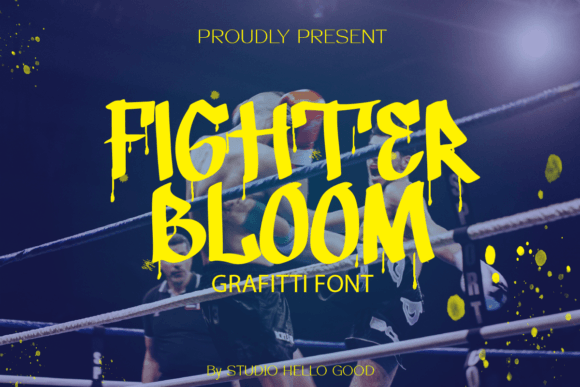
The most defining feature of Fighter Bloom is its use of aggressive angles. Every letterform is constructed with precision, yet the edges feel hand-cut, mimicking the stencil work of street artists. These sharp intersections create a sense of movement, even when the text is static. It suggests forward momentum, much like a skateboarder carving through a skatepark or a rapper delivering a rapid-fire verse.
Beyond the angles, the font utilizes a rugged texture that adds depth and character. In high-resolution applications, you can almost feel the grain of the pavement. This texture prevents the font from feeling too sterile or digital, grounding it in the physical reality of the streets. The stroke width varies dynamically, creating a rhythm that guides the eye across the word. This variation is crucial for readability while maintaining an edgy aesthetic that appeals to a younger, trend-conscious demographic.
Visual Hierarchy and Impact
- High Contrast: The interplay between thick and thin strokes creates immediate visual interest.
- Kerning Dynamics: Tight spacing enhances the feeling of unity and solidarity, essential for community-driven brands.
- Geometric Disruption: While based on geometric forms, intentional irregularities prevent the design from becoming predictable.
Rooted in Culture: Hip-Hop, Skate, and Streetwear
Typography has always been inseparable from subcultures. From the wildstyle letters of 1970s New York graffiti to the distressed logos of 90s skate decks, fonts have served as badges of identity. Fighter Bloom was born from this lineage, specifically tailored to resonate with the pulse of modern street culture.
In the realm of hip-hop music, the font serves as a perfect companion for album art and promotional materials. The genre thrives on storytelling, resilience, and unapologetic self-expression. When an artist uses Fighter Bloom for their tracklist or tour poster, they are signaling to their audience that the content within is authentic and unfiltered. The font's boldness matches the volume of the bass and the clarity of the lyrics.
Similarly, the skateboarding community values durability and attitude. A logo printed on a shoe or a deck needs to look good after being scuffed against asphalt. Fighter Bloom’s rugged charm ensures that designs remain visually striking even when subjected to the wear and tear of active lifestyles. It speaks the language of the skater: determined, resilient, and ready for action.
For streetwear fashion, the font is a versatile tool for branding. Whether it is embroidered on a hoodie, screen-printed on a tee, or laser-etched on accessories, Fighter Bloom adds a punch of attitude that separates a generic garment from a statement piece. It bridges the gap between high fashion and underground credibility, making it a favorite among designers who want to capture the zeitgeist of the urban scene.
Practical Applications in Branding and Design
Choosing the right font is often about finding the intersection between aesthetic appeal and functional utility. Fighter Bloom excels in both areas, offering a range of applications that cater to various creative workflows.
Logo Design and Identity
For startups and established brands alike, a logo is the cornerstone of identity. Fighter Bloom is particularly effective for logos that need to convey strength and reliability without sacrificing style. Imagine a gym focused on combat sports, a sneaker boutique specializing in limited editions, or a music label dedicated to underground talent. In each scenario, Fighter Bloom provides a visual anchor that communicates the brand's core values instantly.
When designing a logo with this typeface, consider how the negative space interacts with the aggressive angles. Often, leaving room around the letters allows the sharp edges to breathe, enhancing the overall impact. Pairing Fighter Bloom with a clean, neutral background can further accentuate its rugged details, ensuring the logo remains legible at small sizes, such as on social media avatars or app icons.
Apparel and Merchandise
Textiles present unique challenges for typography. Fonts must remain clear when stretched over fabric or curved over seams. Fighter Bloom’s robust structure makes it highly adaptable for apparel design. The thick strokes hold up well during the printing process, whether using direct-to-garment (DTG) technology or traditional screen printing.
Designers often use Fighter Bloom for large, back-of-shirt statements or smaller chest patches. Its versatility allows it to scale effectively. For example, a large headline across the back of a jacket can dominate the silhouette, while a subtle use on a sleeve tag adds a touch of insider knowledge for those who know what to look for.
Digital Media and Social Content
In the digital age, attention spans are short. Visuals need to grab the viewer immediately. Fighter Bloom is ideal for social media graphics, YouTube thumbnails, and website headers. Its distinct style cuts through the clutter of a crowded feed, drawing the eye and encouraging engagement. When used in motion graphics, the sharp lines of the font can be animated to simulate breaking or shattering effects, adding a layer of kinetic energy that aligns perfectly with the font's inherent vibe.
Strategic Considerations for Adoption
While Fighter Bloom is a powerful tool, it is not a one-size-fits-all solution. Like any strong personality, it demands respect and careful handling. Before integrating this font into your workflow, there are several factors to consider to ensure it serves your specific goals.
Audience Alignment: The primary consideration is your target audience. Fighter Bloom resonates deeply with demographics interested in urban culture, sports, and alternative fashion. If your brand targets a conservative corporate sector or a luxury market focused on traditional elegance, this font might feel out of place. It is essential to match the tone of the typeface with the expectations of your consumers.
Readability vs. Style: The aggressive nature of Fighter Bloom can sometimes compromise readability if used in long blocks of text. It is best utilized for headlines, titles, and short phrases where impact is the priority. For body copy, pair it with a more neutral, legible sans-serif font to maintain balance. This combination allows the Fighter Bloom to shine as the focal point while ensuring the message is clearly communicated.
Color and Context: The font's rugged texture interacts uniquely with different color palettes. High-contrast combinations, such as black on white or neon on dark backgrounds, tend to maximize its visibility and edge. However, experimenting with muted tones or gradients can soften the blow slightly, offering a more nuanced interpretation of the design.
Workflow Integration Tips
- Test at Scale: Always preview the font at various sizes to ensure the details do not get lost on mobile screens or small merchandise tags.
- Pair Thoughtfully: Use complementary fonts that do not compete with Fighter Bloom's strong personality.
- Contextual Mockups: Visualize the font in real-world scenarios, such as on a storefront sign or a concert poster, to gauge its effectiveness.
Conclusion: A Statement of Strength
Fighter Bloom represents a shift in how we approach typography for modern cultural movements. It is not just a set of glyphs; it is a narrative device that tells a story of determination, resilience, and streetwise authenticity. By embracing the raw energy of hip-hop, the fearless spirit of skateboarding, and the trendy edge of streetwear, this font empowers creators to make bold statements that resonate with the pulse of the streets.
For designers, brands, and artists, adopting Fighter Bloom is a commitment to standing out. It is a choice to reject the bland and embrace the bold. As the visual landscape continues to evolve, fonts like Fighter Bloom will remain essential tools for those who wish to capture the essence of a culture that never stops moving, never stops fighting, and never stops blooming. Whether on a logo, an album cover, or a piece of clothing, Fighter Bloom ensures that your message is heard loud and clear, echoing the beat of the culture it represents.