Bizkuta: A Quirky Display Font for Bold Designs
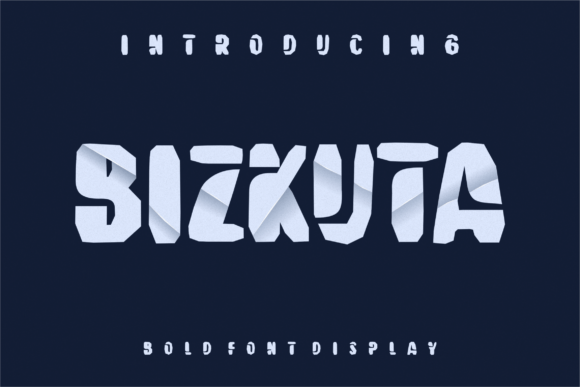
In the crowded landscape of digital typography, finding a typeface that feels both familiar and delightfully unexpected is a rare win. Bizkuta stands out as exactly that kind of discovery. It is not merely a collection of characters; it is a visual statement. With its slightly irregular curves, playful weight distribution, and distinct personality, this font immediately captures attention without screaming for it. For designers, marketers, and hobbyists alike, Bizkuta offers a unique solution for projects that need to break away from the rigid constraints of standard sans-serifs or overly formal serifs.
The true value of a display font like Bizkuta lies in its versatility. While many quirky fonts are relegated to novelty uses or limited to children's content, Bizkuta possesses a structural integrity that allows it to function across a wide variety of contexts. Whether you are crafting a logo for a boutique coffee shop, designing a headline for a tech blog, or creating an invitation for a modern wedding, this typeface brings a sense of approachable creativity that resonates with audiences aged 20 to 50.
What Makes Bizkuta Unique?
At its core, Bizkuta is defined by its "quirky" aesthetic. This does not mean it is chaotic or difficult to read. Instead, it implies a deliberate departure from geometric perfection. The letterforms often feature subtle asymmetries and organic lines that mimic hand-drawn elements while maintaining the crispness of digital vector art. This balance is crucial for modern design, where authenticity is highly valued.
Unlike generic display fonts that can look dated within a year, Bizkuta’s design language taps into current trends favoring retro-modernism and humanist imperfections. It feels tactile. When you see a headline set in Bizkuta, it invites the reader to slow down and engage with the message. This quality makes it particularly effective for brands and creators who want to project warmth, innovation, and a touch of whimsy.
The Appeal for Beginners and Hobbyists
For those just starting their journey in graphic design or DIY branding, Bizkuta offers a low barrier to entry with high-impact results. Beginners often struggle with pairing fonts or creating layouts that feel professional. A strong display font can do much of the heavy lifting. By using Bizkuta for titles and headers, a novice designer can instantly elevate a simple flyer, social media post, or personal resume.
Hobbyists, such as scrapbookers, crafters, and independent zine makers, find particular joy in this font. Its character aligns perfectly with handmade aesthetics. Imagine printing a custom sticker sheet or designing a banner for a local community event; Bizkuta adds a layer of polish that suggests effort and care without requiring advanced software skills. For these users, the priority is ease of use and immediate visual appeal, and this typeface delivers on both fronts.
Strategic Value for Professionals and Entrepreneurs
For established professionals, freelancers, and small business owners, the decision to use a specific font is rarely just about aesthetics; it is about brand identity and market differentiation. In a saturated market, standing out is essential. Bizkuta provides entrepreneurs with a tool to signal that their brand is different—perhaps more creative, more flexible, or more human-centric than competitors.
Consider a marketing agency pitching a campaign for a lifestyle brand. Using a standard corporate font might convey reliability but lack excitement. Swapping in Bizkuta for key headlines can inject energy and suggest a fresh perspective. Similarly, a freelance consultant might use this font on their portfolio website to show they are not afraid to take risks. Here, the priorities shift toward commercial value, flexibility, and the ability to communicate a specific brand voice quickly and effectively.
Professionals also evaluate fonts based on technical reliability. Does the font render well across different devices? Is the kerning consistent? Bizkuta has been designed with these practical concerns in mind, ensuring that its quirky nature does not compromise legibility on mobile screens or in print formats. This reliability gives professionals the confidence to deploy it in client-facing materials.
Creative Applications for Educators and Content Creators
Educators and content creators face the constant challenge of keeping their audience engaged. In the digital age, attention spans are short, and visual hierarchy is paramount. Bizkuta serves as an excellent tool for breaking up text-heavy content and guiding the reader's eye. For a teacher creating lesson slides, a bold header in Bizkuta can make a complex topic feel accessible and fun. For a blogger writing about travel or food, the font can enhance the narrative tone, making the content feel personal and inviting.
Creators who produce video content or podcasts also benefit from this typeface. Thumbnails, lower-thirds, and title cards often require fonts that pop against busy backgrounds. Bizkuta’s distinct shapes ensure that text remains readable even when overlaid on dynamic imagery. The learning value here extends beyond the font itself; using it encourages creators to think about how typography influences the emotional reception of their content.
Evaluating Fit: Who Should Use Bizkuta?
While Bizkuta is versatile, it is not a universal solution for every project. Understanding your specific goals is key to determining if this font matches your needs. If your project requires strict formality, such as a legal document or a medical report, a neutral serif or sans-serif is likely a better choice. However, if your goal is to inspire, entertain, or build a connection, Bizkuta is an excellent candidate.
Ask yourself the following questions before committing:
- Does my brand personality lean towards the playful or the innovative? If yes, Bizkuta reinforces that message.
- Am I looking for a headline font rather than a body text font? As a display font, it shines in large sizes but may lose clarity in small paragraphs.
- Do I need a font that works well in both print and digital media? Bizkuta’s robust design ensures it translates well across mediums.
- Is cost a primary factor? Many high-quality display fonts come with licensing fees. Evaluating the long-term usefulness against the initial investment is important for budget-conscious users.
Practical Examples in Action
To visualize how Bizkuta functions in real-world scenarios, consider these examples:
- The Boutique Owner: A local artisan sells handmade ceramics. They use Bizkuta for their storefront signage and packaging labels. The font reflects the handcrafted nature of the product, appealing to customers who value uniqueness over mass production.
- The Tech Startup: A new app focused on mental wellness needs a logo that doesn't feel clinical. They choose Bizkuta for their app icon and splash screen. The soft, quirky edges of the letters subconsciously signal comfort and safety to new users.
- The Event Planner: Organizing a music festival, the planner needs posters that stand out in a sea of black-and-white designs. Bizkuta is used for the artist names and dates, creating a vibrant focal point that draws crowds from a distance.
Ultimately, the decision to use Bizkuta comes down to the story you want to tell. It is a font that speaks to those who appreciate the beauty in imperfection and the power of personality in design. Whether you are a seasoned graphic designer refining a brand identity or a student working on your first poster, this typeface offers a reliable, engaging, and distinctly human element to your work. By choosing Bizkuta, you are not just selecting a font; you are choosing to embrace a style that is confident, adaptable, and ready to make an impression.